Talk about the whole experience
Tell your planner about your walking experience, the time available and the kind of support you need. Ask for a clear route description, daily walking expectations, sleeping arrangements and equipment list.
Put preparation first
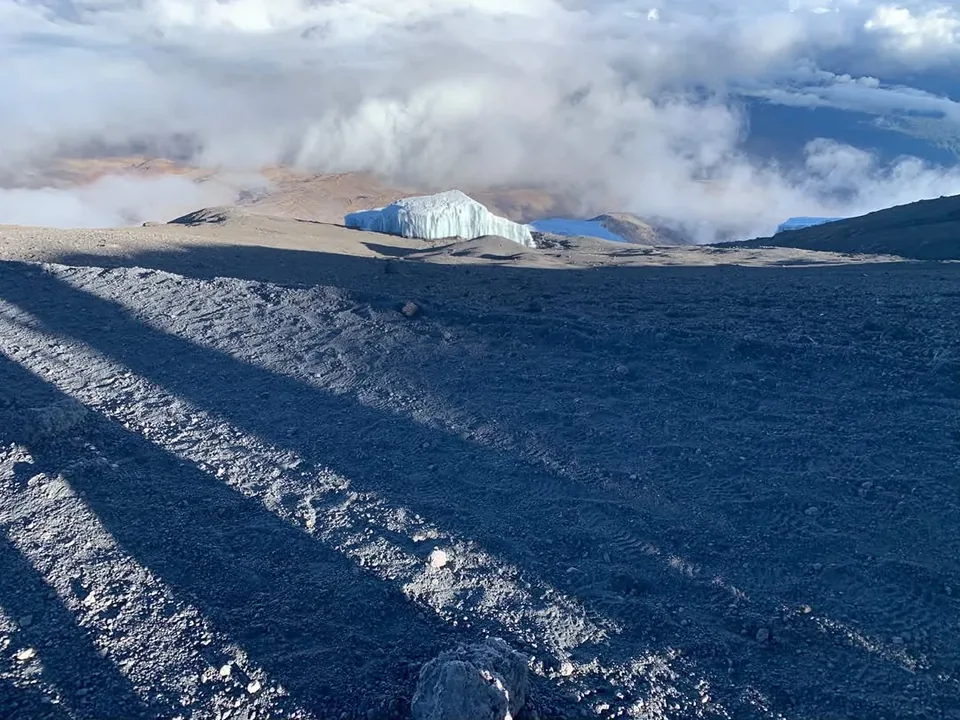
A high-altitude trek requires different preparation from a vehicle safari. Discuss personal fitness, altitude and any health conditions with a qualified medical professional before booking. Ask your insurer whether the planned activity and altitude are covered.
Read the itinerary closely
Understand what the quoted trek includes, what you must bring and how transfers are arranged. Ask how the team handles changes to a plan and what happens if someone needs to stop trekking. A summit should never be treated as guaranteed.
Keep expectations realistic
Mountain conditions can change and a safe decision may involve altering the plan. Leave time around the trek rather than scheduling a tight onward connection immediately after the expected finish.
Ask how a day is organized
Request more than the name of a route and a total number of days. Ask how walking time, rest, meals, briefings and overnight arrangements fit together. Understand who will be guiding the group, how the team communicates and how your own belongings and equipment are handled. Write down questions that arise while reading the plan and discuss them before committing.
Understand what equipment is included
Compare the supplied equipment list with the items you need to bring personally. Check sizes and suitability early enough to resolve gaps, and ask how rental arrangements work if they are available. Use any preparation walks to become familiar with your own footwear and day bag. A generic checklist cannot account for every person's circumstances or replace the team's current briefing.
Make the safety conversation specific
Ask how the operator responds if weather, a participant's condition or another practical issue requires a change. Find out what the itinerary says about stopping early and how that may affect transport, accommodation and costs. The right question is not whether a summit is promised; it is how decisions are made when the original plan needs to change.
Plan the rest of the holiday around the trek
Discuss rest, onward travel and storage of belongings that are not needed on the mountain. A tight flight immediately after the expected finish leaves little room for change. If you are combining the trek with safari or coast time, make sure the sequence supports preparation and recovery rather than treating every day as interchangeable.