Let the guide lead
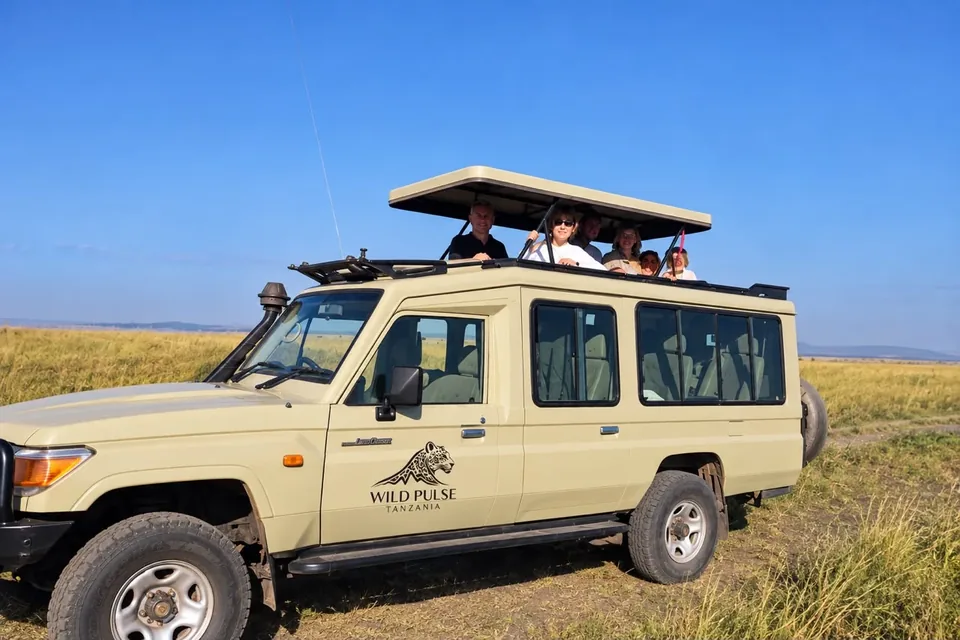
Follow your guide and the rules of each protected area. Stay in designated places and only leave a vehicle when the location and activity permit it. A close photograph is never worth ignoring a guide's instructions.
Observe quietly
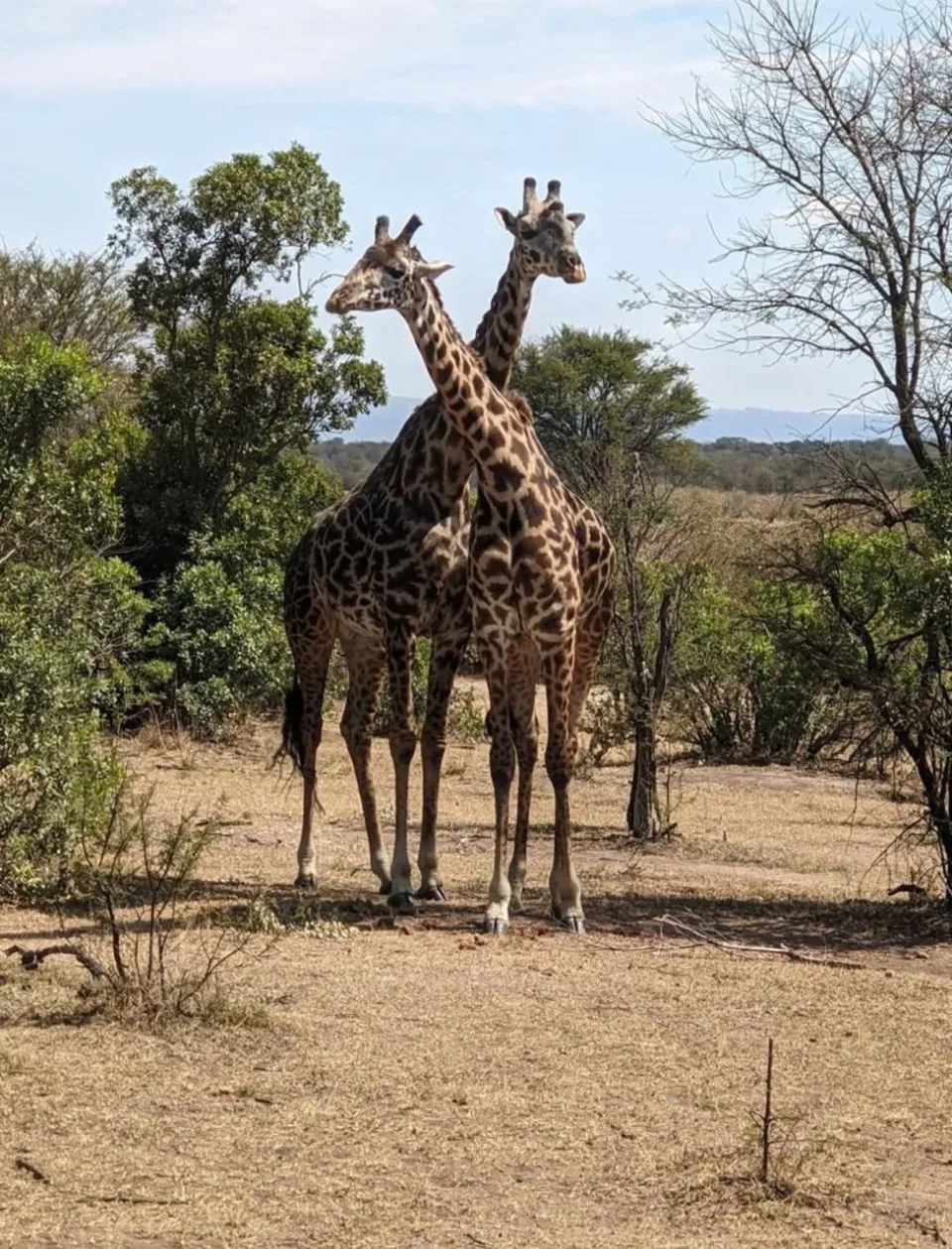
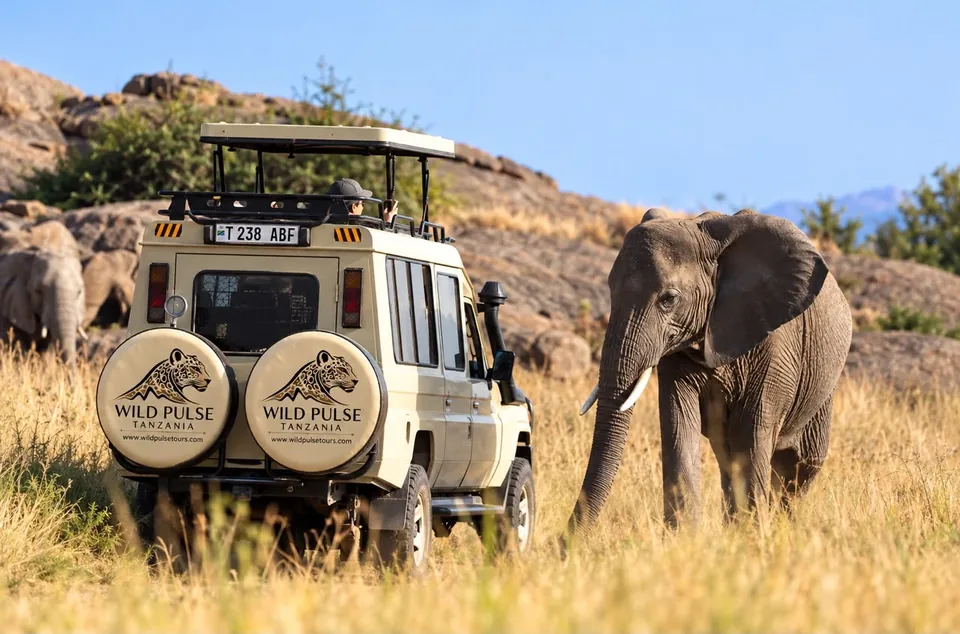
Allow animals to behave naturally. Keep noise low, avoid attracting their attention and do not feed or approach wildlife. Patience can make an encounter more rewarding than trying to force a particular scene.
Leave the place as you found it
Keep litter with you until it can be disposed of properly. Avoid collecting plants, stones or other natural objects. TANAPA's park regulations are the reference for conduct within its national parks; other areas may have their own requirements.
Plan permitted activities
Walking, night activities, specialist photography and other experiences depend on location, permits and available qualified supervision. Discuss the activities you would like before the itinerary is confirmed. Wildlife sightings remain unpredictable.
Make room for other people, too
A wildlife encounter is shared with guides, other visitors and people working in the protected area. Avoid pressuring a driver to stop in a way that obstructs another vehicle or a route. Let your guide decide where it is appropriate to wait and when it is time to move. A relaxed group makes it easier to notice the quieter details: a bird, a change in behaviour or a wider view of the landscape.
Give photography a clear boundary
Tell the guide if photography is a major interest, then agree how it fits the day. Do not use noise, food or other methods to attract an animal for a picture. Ask before using equipment that could disturb wildlife or other visitors. Specialist filming, commercial work and drones require their own permission checks; personal equipment should never be treated as automatic authorization for a restricted activity.
Respect the accommodation setting
Ask the team at each place you stay about moving around the property, evening routines and any escort arrangements. Keep food and waste where the accommodation asks you to keep them. Follow the local briefing rather than assuming that the rules from the previous night apply everywhere. Mention accessibility needs before the itinerary is finalized so practical arrangements can be discussed in advance.
Take the experience home thoughtfully
Share what you learned as well as the photographs. Avoid publishing a sensitive location or an image of a person without considering the consequences and their consent. Responsible viewing is less about collecting a checklist of sightings and more about returning with a better understanding of the place you visited.