A journey shaped by rain
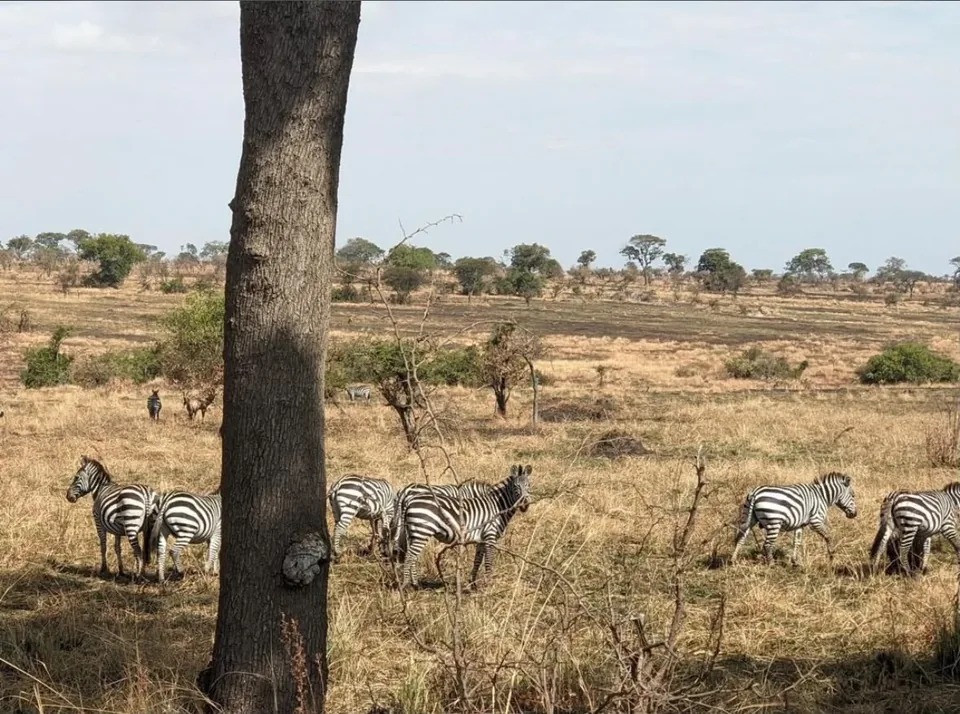
Wildebeest, zebra and other grazers move through the wider Serengeti–Mara ecosystem as grazing and water change. The journey links landscapes in Tanzania and Kenya. It is a continuing natural cycle, rather than a single event at one viewpoint.
Begin with your travel dates, the time you have and the kind of wildlife experience you would enjoy. We can then discuss which regions and overnight bases make sense for your journey.
January to March: the southern plains
The short-grass plains of the southern Serengeti and Ndutu in the wider Ngorongoro Conservation Area are associated with the early-year calving period. This is a different landscape from the Ngorongoro Crater floor. Discuss the appropriate overnight base with your planner.
April to July: movement through the ecosystem
The broad seasonal pattern shifts through central and western areas towards the north. TANAPA's migration maps describe approximate seasonal routes. Rainfall can change the timing and distribution, so a map is a planning aid, not a location forecast.
August to October: northern landscapes
The northern Serengeti and neighbouring Maasai Mara are associated with the later dry-season movement. A Mara River crossing is one possible part of this wider journey; the herds do not follow a visitor's timetable. Allow time for ordinary wildlife watching as well as any crossing opportunity.
November and December: changing direction
As conditions change, the broad migration cycle returns towards southern grazing areas. Ask where it makes sense to spend your available nights, rather than choosing accommodation solely because its name includes migration.
Plan the safari around your interests
- Tell us whether your priority is photography, the early-year plains, the northern landscape or a broader Serengeti safari.
- Share your dates and any flexibility before choosing camps or flights.
- Leave room for wildlife viewing between transfers.
- Ask which activities, park access, accommodation and transport are included in the written proposal.
Give nature time
No particular sighting, calving event or river crossing can be guaranteed. Keep a respectful distance from wildlife and follow your guide's directions. The most rewarding itinerary also makes room for the landscape, resident animals and quiet moments between the famous scenes.
Make the journey yours
Combine the Serengeti with other parks, cultural encounters or time on the coast if the route and your available days allow it. Your Wild Pulse planner can explain the choices and prepare a quotation for your dates.