Ask how the journey is organized
Responsible travel begins before departure. Ask the team to explain the route, the role of local guides and providers, the activities included and any conservation or community visit being proposed. Be specific about what you want to understand. A broad statement about sustainability is less useful than a clear account of what happens on your own itinerary and which choices remain open to you.
Follow the rules of the place you are visiting
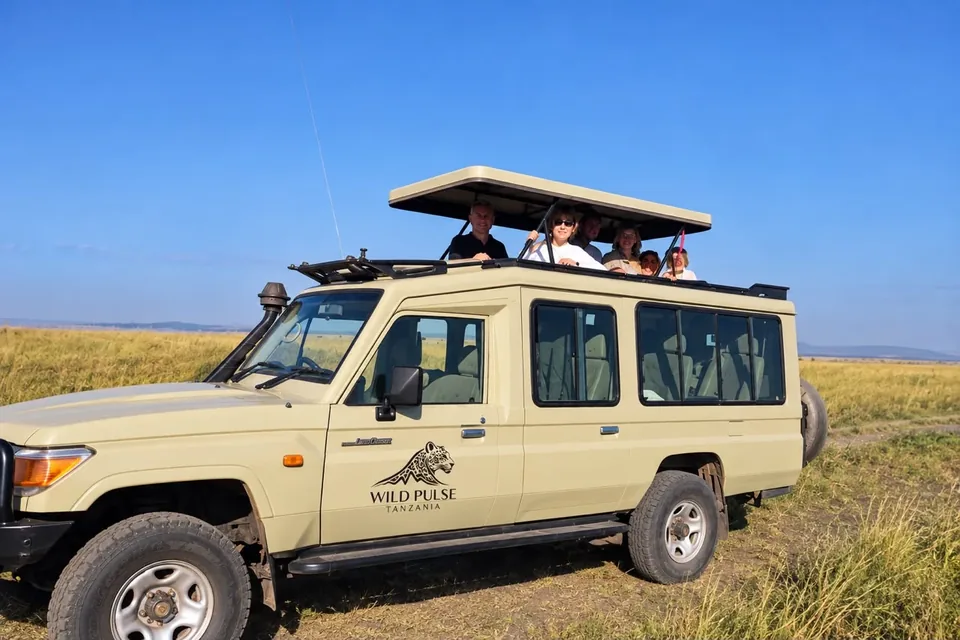
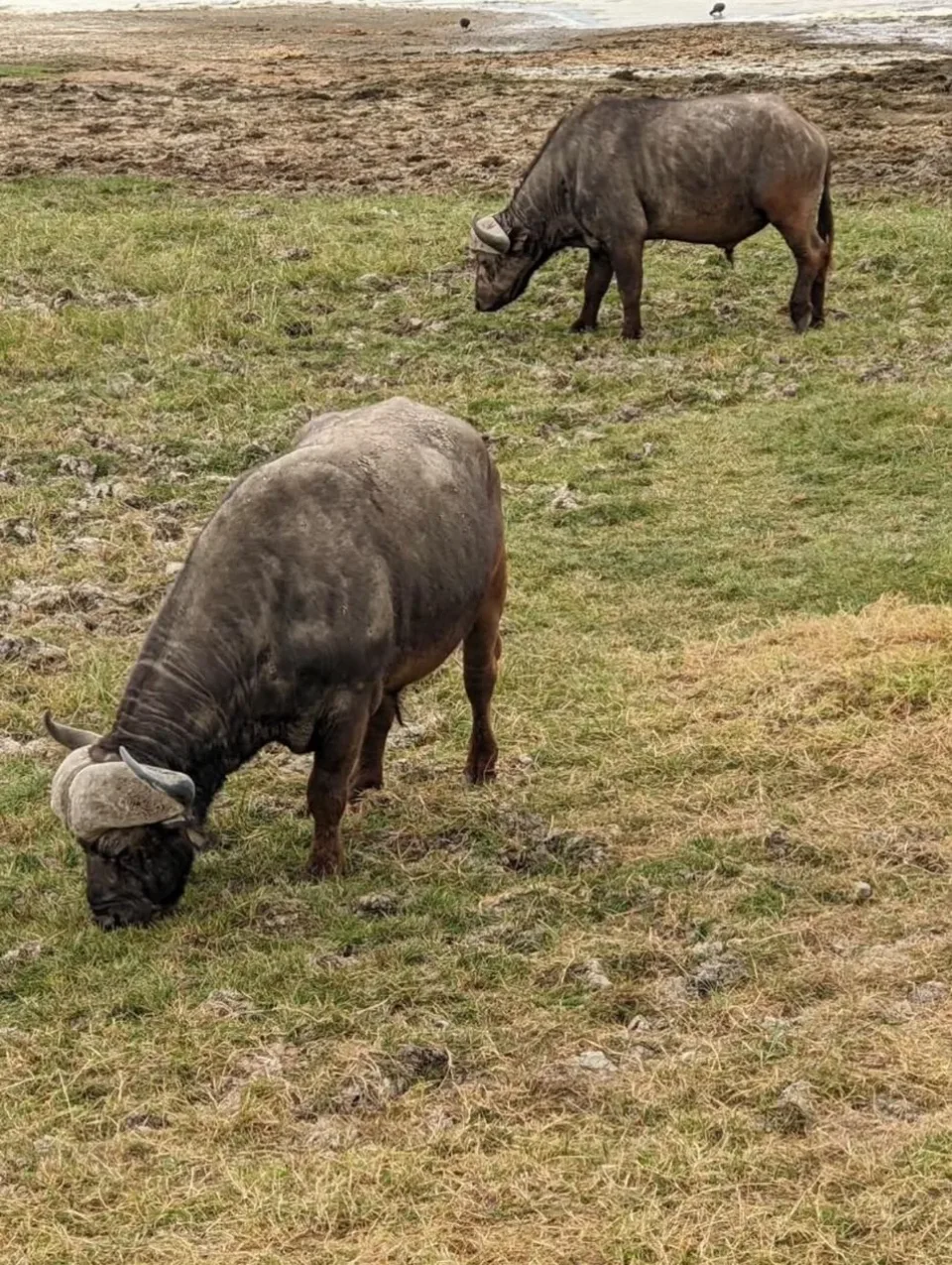
Protected areas have their own regulations and staff guidance. On safari, follow the guide's instructions and the applicable park rules. Do not feed or disturb animals, and avoid collecting natural objects. Ask before participating in an activity that could affect wildlife or a habitat. Guidance may differ between a national park, a conservation area, a community setting and a marine activity.
Make waste a practical conversation
Carry the items you need in a manageable day bag and keep litter until it can be disposed of appropriately. Ask your accommodation or guide how drinking water and waste are handled on the particular route. Bring useful reusable items where they fit those arrangements. Avoid assuming that a familiar disposal or recycling system will be available at every stop, and follow the instructions of the people managing the site.
Choose experiences you can understand
Before adding an animal encounter, community visit or specialist activity, ask what it involves, who supervises it and which permissions or conditions apply. Be cautious about experiences presented mainly as an opportunity to touch, feed or pose with wildlife. An activity should be explained clearly enough for you to decide whether it matches your own values and the purpose of the journey.
Respect people's time and consent
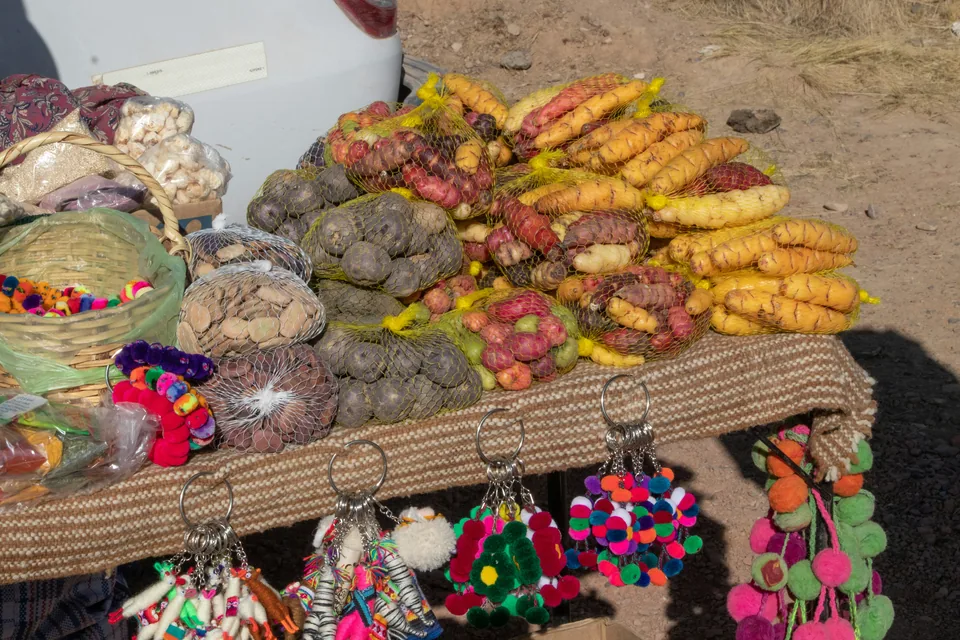
Arrive for arranged visits with realistic expectations, ask before photographing people and avoid treating everyday life as a performance. Discuss intended donations or gifts with an appropriate local organizer in advance. When buying something, make the transaction clear and voluntary. These small decisions help turn good intentions into more respectful interactions.
Be honest about what you know
Do not assume that one logo, label or marketing phrase proves every environmental or social claim. Ask for details that relate to your trip, and choose the options you can understand. After travelling, share useful feedback about the practices you observed. Responsible travel is an ongoing set of decisions, rather than a guarantee that can be attached to every journey with a single sentence.
Choose one habit for the whole trip
Decide on a practical habit your group can follow consistently, such as keeping litter in a day-bag pouch until it can be disposed of properly, asking before taking a person's photograph or keeping essential briefing notes together. Discuss the habit with your companions before departure. Small, repeatable decisions are easier to sustain than a long list of promises that nobody has considered in the context of the actual journey.