Tell the team what photography means to you
You might want a few memorable phone photographs, time to practise with a camera or a journey built around a photographic interest. Explain that at the planning stage. Ask how your interests fit the itinerary, the travel party and the daily rhythm. A shared journey and a privately arranged photographic schedule can involve different expectations, so it is useful to discuss them before the trip.
Practise with the equipment you already have
Become comfortable changing the settings you are likely to use before departure. Pack batteries, memory and suitable protection for your own equipment, and check the rules of every airline you will use. Ask about charging opportunities and luggage limits along the actual route. Bring equipment you can handle comfortably rather than assuming that a larger kit will automatically lead to better photographs.
Make patience part of the plan
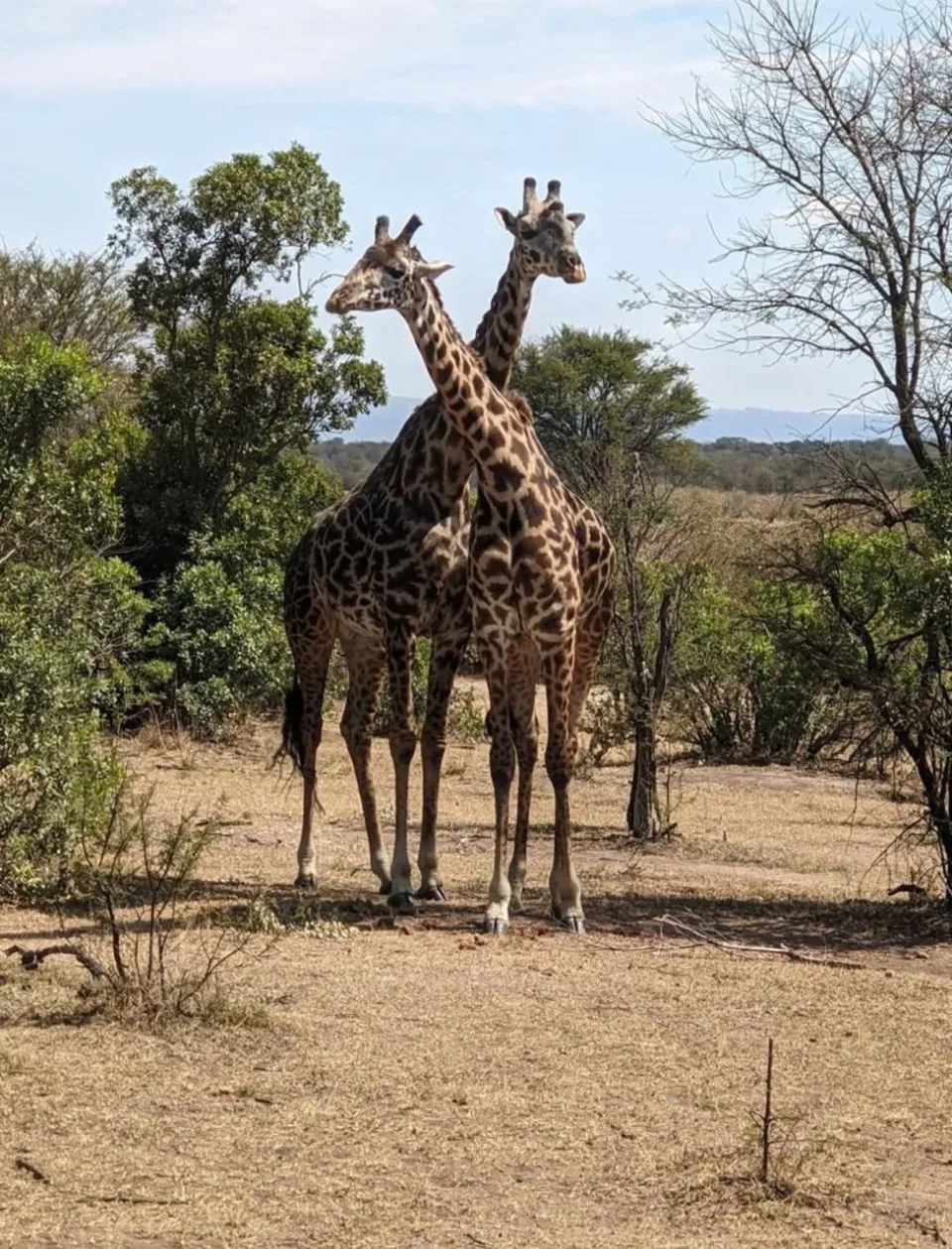
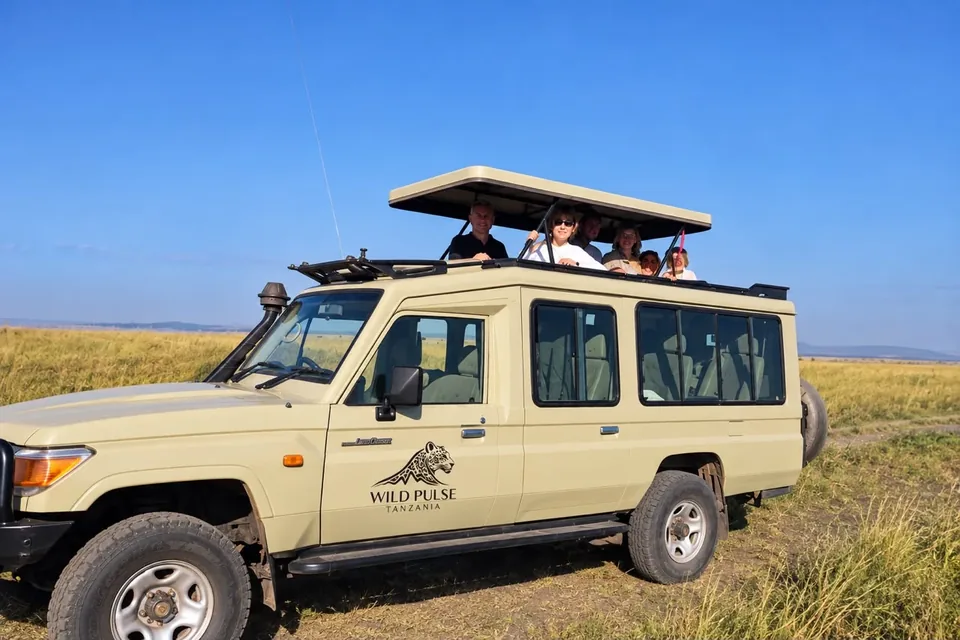
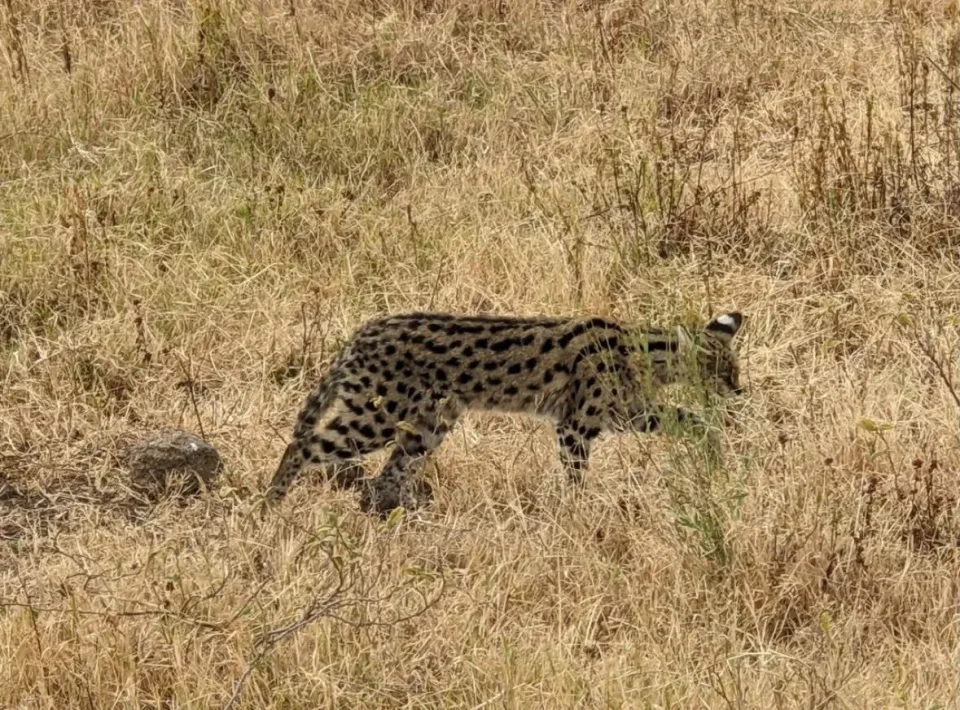
Leave time to observe a scene instead of treating every stop as a race to the next sighting. Talk to your guide about what you hope to photograph, then follow their decisions about safe and permitted positioning. An animal's behaviour, the weather and other visitors all affect an encounter. No itinerary can promise a particular image, and a thoughtful guide should never be pressured to disturb wildlife to obtain one.
Photograph people with consent
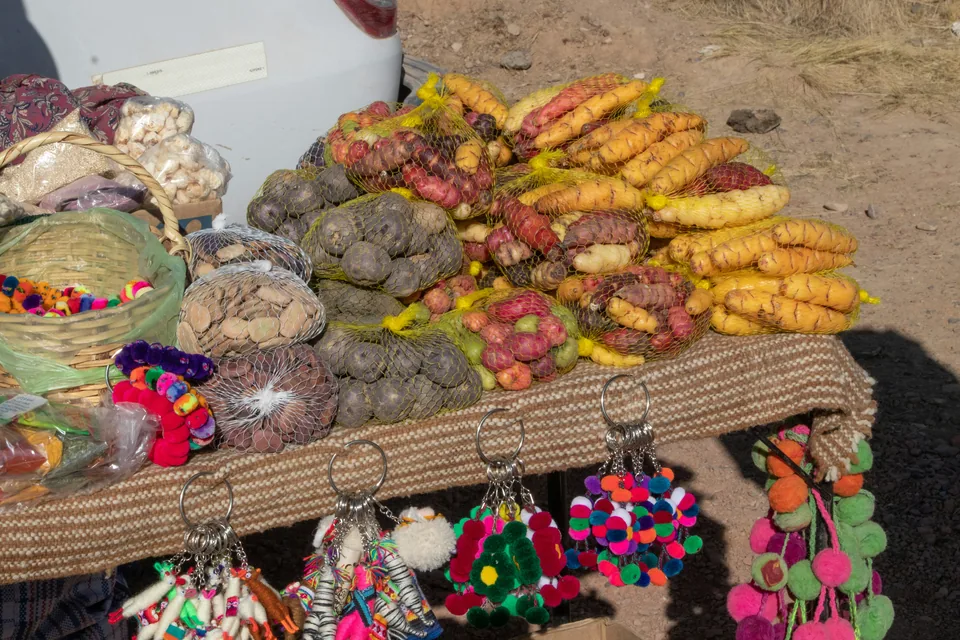
Ask before taking a person's picture, especially during a community visit or inside a private space. Be clear about whether an image is for personal memories or another use. Accept a refusal without turning the interaction into a negotiation. Consider whether publishing an identifiable person or location is appropriate even after a photograph has been taken.
Check specialist permissions early
TANAPA publishes conditions relating to photographic and filming activities. Commercial work, specialist recording and drones should be discussed with the relevant authorities and providers before you plan to use them. Do not treat possession of equipment, a standard park visit or another visitor's experience as permission. Ask what applies to your particular activity and allow the team to confirm the arrangements.
Remember the rest of the journey
Photograph landscapes, small details and the connections between places, while leaving room to enjoy moments without a screen. Make a practical plan for protecting and backing up your own files. The strongest travel story often comes from paying attention to the whole experience rather than returning with a checklist of animals.
A practical camera-day checklist
- Check batteries and available memory before leaving your accommodation.
- Keep a spare battery and card accessible without unpacking your main luggage.
- Practise changing the camera settings you expect to use before departure.
- Protect equipment during transfers and avoid unnecessary lens changes in dusty conditions.
- Check flight rules for batteries and the weight of your complete camera bag.
- Ask about charging opportunities rather than assuming a power socket is always available.
- Make a personal backup plan and keep sensitive documents separate from photo sharing.
Try a three-picture story when the setting allows: a wide view, a closer subject and a small detail. Follow the guide's positioning instructions throughout. This is an exercise in noticing, rather than a reason to approach wildlife or interrupt another visitor's experience.